Not everyone with fatty liver develops serious liver disease. But when the metabolic drivers continue, liver fat can persist and a smaller group can develop inflammation and scarring over time.
01
If the drivers continue
Liver fat can remain part of a wider metabolic problem.
Raised glucose, triglycerides, blood pressure, waist gain, inactivity and alcohol can keep adding strain. The same pattern can increase the risk of type 2 diabetes and cardiovascular disease.
02
In some people
Inflammation can progress to fibrosis and cirrhosis.
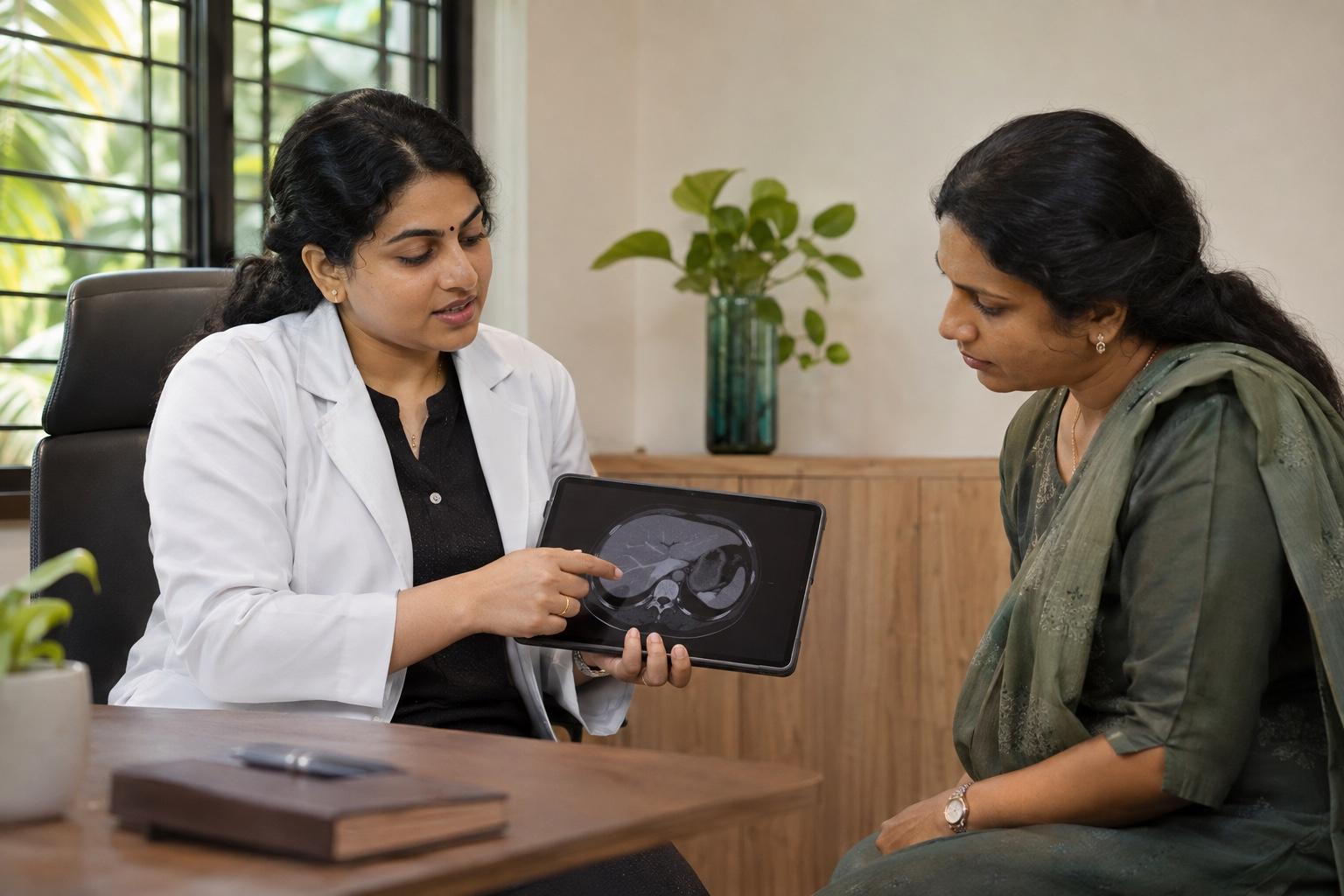
A routine ultrasound cannot stage that risk on its own. Blood results and non-invasive fibrosis assessment help identify who needs closer follow-up or specialist care.
Earlier action
Consistent changes can alter the direction.
A balanced food pattern, regular movement, gradual weight change when appropriate, better metabolic control and clinical review can reduce liver fat and may slow or prevent further damage. Physical activity is useful even when the scale changes slowly.
01
Find the starting risk
Connect the scan with blood results, medicines, alcohol use and metabolic health.
02
Change the main drivers
Build food, movement and recovery habits that are realistic enough to continue.
03
Review the response
Use follow-up markers to see what is improving and what needs a different plan.
Prevention here means acting on modifiable risk while checking for disease that needs medical treatment. It does not replace a doctor, fibrosis assessment or specialist care when indicated.
Benefits of acting earlier
What improvement can look like.
The programme gives you a clinical starting point, a plan for food and movement, and scheduled reviews. Progress is judged from your own baseline rather than a promised number.
Know your scarring riskUnderstand whether routine follow-up is enough or another test is useful.
Work on the drivers of liver fatFood, activity, weight, glucose, lipids and medicines are reviewed together.
See whether the plan is workingReviews compare current results with your starting point and adjust the next step.
Illustrative patient 01
Liver fat burden
Scan-led review · 6-month review
BeforeLiver fat identified on the first scan
At reviewRepeat imaging shows the direction of change
Starting pointFollow-upReview
Food, activity and weight change are reviewed alongside the scan, not in isolation.
Illustrative patient 02
ALT and AST pattern
Blood-test review · 12-week review
BeforeLiver enzymes above the expected range
At reviewThe trend moves towards the reference range
Starting pointFollow-upReview
The doctor reads the enzyme trend with metabolic risk and fibrosis assessment.
Illustrative patient 03
Waist and weight trend
Habit-led review · 16-week review
BeforeA routine that is difficult to sustain
At reviewSmall, steady change without crash loss
Starting pointFollow-upReview
The useful signal is a repeatable routine, not the fastest possible drop on the scale.
Illustrative patient 04
Metabolic markers
Whole-picture review · 6-month review
BeforeGlucose and triglycerides need attention
At reviewSeveral markers move in a healthier direction
Starting pointFollow-upReview
A connected review shows whether the main drivers of liver fat are changing together.
These are illustrative patient journeys, not testimonials or promised results. The measures, review interval and direction of change depend on the person's starting risk, medicines and clinical plan.
Connected clinical care
One care team. One connected plan.
Clinical priorities and everyday choices stay in one plan, so each review builds on the last.
01DoctorSets clinical priorities
02Clinical dietitianMakes the plan practical
03PsychologistSupports habits and consistency
Choose how closely you want to be supported.
Six months is the focused starting pathway. Twelve months adds more review time without changing the care model.
Standard
6 months
Monthly clinical care, a baseline panel and one CGM learning window.
₹47,999
Monthly doctor and clinical dietitian consults
Daily food-photo review for the whole programme
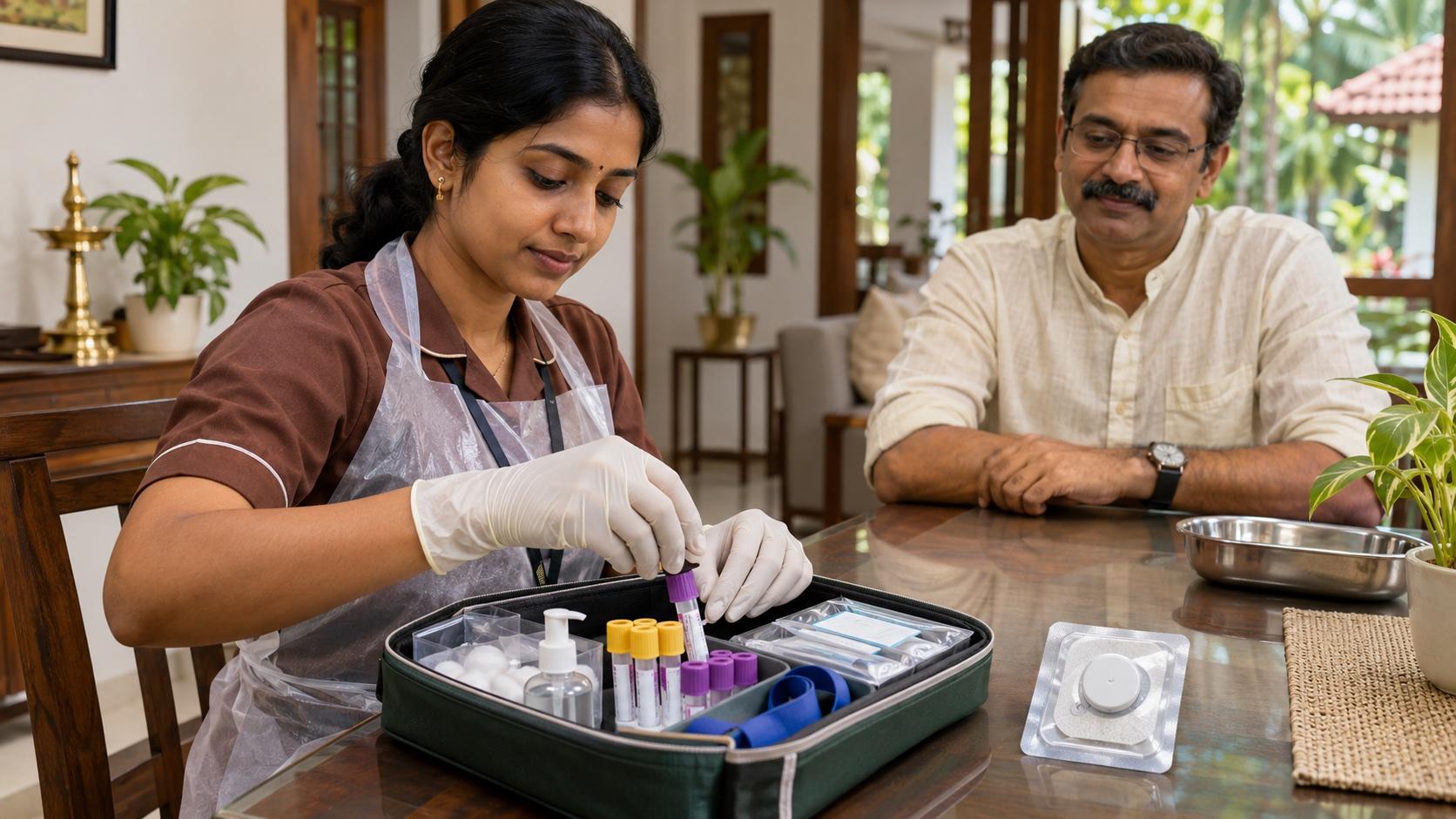
40+ biomarker baseline panel with home collection
Body-composition scale and measuring tape
One CGM sensor at the start
3 complimentary psychologist sessions and a maintenance plan
Biomarker counts include values calculated and reported by the lab. FIB-4 and CGM readings are not counted. Exact tests may vary by lab availability, never below the number shown.
Not included in any plan: abdominal ultrasound, outside FibroScan or supplements.
What six months of care can look like.
Scroll through four stages of connected care. Individual clinical results vary.
Start
Understand the baseline
The doctor reviews your scan, reports, medicines and history. Testing and CGM begin where included.
ClarityKnow which signals deserve attention now.
PracticeTurn clinical advice into repeatable daily choices.
ReviewAdjust with a doctor and dietitian, not in isolation.
ContinuityLeave with a written plan for what comes next.
Extra context, when it is clinically useful.
CGM learning windows
See glucose responses to meals, walks and sleep, then review the pattern with your dietitian.
Clear answers about suitability, testing, daily effort and what happens after enrolment.
I feel well. Why should I act on a fatty-liver scan now?
Fatty liver can be present without obvious symptoms. Acting now means reviewing metabolic risk and checking whether scarring risk needs attention while there is still time to build practical, sustainable changes.
How will I know whether I need a FibroScan or specialist?
The doctor reviews your age, history, medicines, diabetes risk and blood results. FIB-4 or another non-invasive assessment may be used first. A FibroScan or specialist review is recommended only when that wider picture makes it useful.
Which programme level should I choose?
Standard suits people who want a focused six-month starting pathway. Advanced adds a second CGM learning window. Comprehensive adds continuous CGM and broader testing. Essential is a lighter four-month pathway with blood tests paid separately.
What happens in the first week?
The team collects your original scan, reports and medicines list, confirms the clinical starting point, arranges included measurements or testing, and schedules your first doctor and dietitian reviews.
Do I need to stop or change my current medicines?
No. Keep taking prescribed medicines unless your treating doctor tells you otherwise. The programme records your medicines and any changes are discussed through clinical review, not made automatically.
How much time will this take each day?
Daily participation is designed to be light: meal photos and brief check-ins fit around normal routines. Consultations and reviews are scheduled. Your care team will simplify the plan if the routine feels difficult to maintain.
Can I join from outside Kozhikode?
Yes. Doctor, dietitian and psychologist consultations are online. Home collection is arranged where the selected plan and service coverage allow it; scans or an outside FibroScan can be completed near you.
What will I need to pay for separately?
Abdominal ultrasound, any requested outside FibroScan, tests not listed in your selected plan and supplements are separate. The programme page shows the included care before payment.
What if the doctor decides this programme is not the right starting point?
The team explains the safer or more appropriate next step, which may be additional testing, specialist care or urgent medical review. Programme care does not replace that clinical routing.
What happens immediately after payment?
Your selected programme and payment reference are saved together. The care team contacts you to collect the original reports and coordinate the first clinical review. You will not need to repeat your purchase details.
Clinical sources
This page is educational and does not diagnose liver disease.
Fatty liver often appears on a routine scan while you still feel well. This is a practical time to review fibrosis risk, understand the metabolic pattern and build changes you can keep using.